
Why Your AC Stops Working on Hotter Days — And What You Can Do About It
- Technics expert
- Jul 15, 2025
- 3 min read

here’s nothing more frustrating than walking into your home on a scorching summer day expecting cool, refreshing air — only to feel lukewarm airflow or nothing at all.
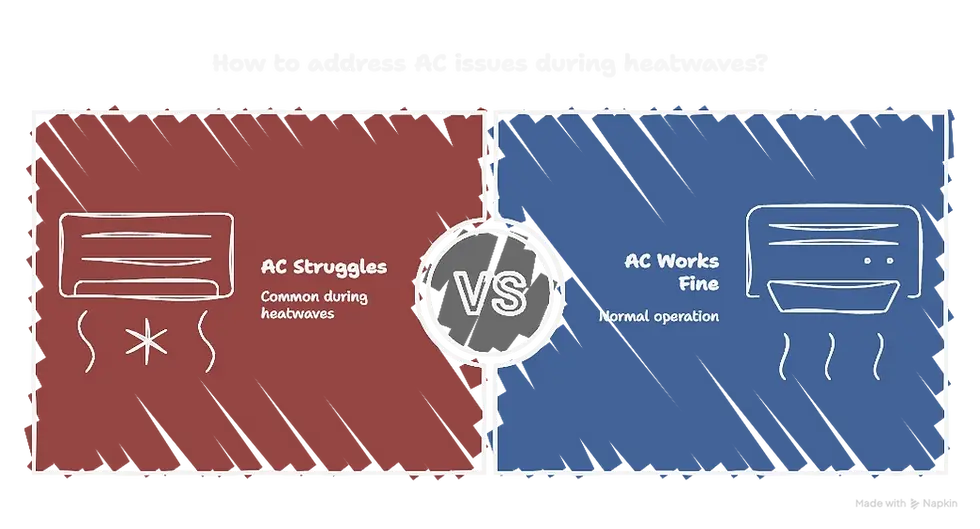
If your air conditioner works fine most of the time but struggles or completely shuts down when outdoor temperatures rise above 35°C (95°F), you’re not alone. This problem is especially common during heatwaves, and it usually has clear, fixable causes.
Here’s why it happens — and what you can do about it.
1. Your AC Is Overwhelmed by Extreme Heat
Air conditioners are designed to cool indoor spaces relative to the temperature outside — but they’re not built to keep your home icy cold during extreme heat.
If it’s 38°C+ outside and your unit is trying to maintain an indoor temperature of 22–23°C, that’s a temperature difference of over 15°C. Many residential AC systems simply aren’t designed to sustain that for long periods.
What you can do:
Set a more realistic target temperature (e.g., 25°C instead of 21°C)
Use blackout curtains or blinds to block sunlight and reduce heat gain
Run ceiling or portable fans along with your AC to help circulate cool air
2. Poor Ventilation Around the Outdoor Unit
If your AC’s outdoor unit is placed in a tight, enclosed space — like between two balcony walls — it may not have enough airflow to release heat properly. When hot air builds up around the unit, it struggles to cool your home efficiently.
What you can do:
Ensure at least 2–3 feet of clearance on all sides of the outdoor unit
Remove any clutter, furniture, or plants nearby
If walls or barriers block airflow, consider adding a fan to improve ventilation
3. Frozen Coils or Refrigerant Issues
Frozen evaporator coils are a common cause of AC failure, especially in high heat. This usually happens because of:
Low refrigerant levels (often due to leaks)
Restricted airflow (dirty filters, blocked vents)
Running the system continuously without breaks
When the coils freeze, your AC may shut down or stop cooling effectively.
What you can do:
Clean or replace air filters regularly
Have a technician inspect for refrigerant leaks and top up levels if needed
Give your AC occasional breaks rather than running it 24/7
4. Thermostat or Electrical Problems
Sometimes the AC itself is fine, but the thermostat or electrical connections fail — especially during periods of heavy use. If your system says it’s “on” but no cool air comes out, this could be the issue.
What you can do:
Check that your thermostat is set correctly and not exposed to direct sunlight
Have a technician inspect the control board and wiring for faults
5. Your AC May Be Nearing the End of Its Life
If your unit is over 10 years old and regularly fails during peak heat, it may simply be too worn out to keep up. Older systems are also less energy-efficient and more prone to breakdowns under stress.
What you can do:
Schedule a full diagnostic with an HVAC professional
If repairs are frequent and costly, consider upgrading to a newer, high-efficiency system
Final Thoughts
If your AC only struggles on the hottest days, it’s likely due to environmental stress, restricted airflow, or inefficiency — all of which can often be fixed with proper maintenance and a few adjustments.
However, ignoring the problem could lead to higher energy bills, more serious damage, and discomfort during critical times.
When in doubt, call a certified technician to inspect your system and recommend the best solution — whether that’s a repair, upgrade, or simple maintenance.
Stay cool, and don’t wait for a full breakdown before taking action!


Comments